

Quick answer
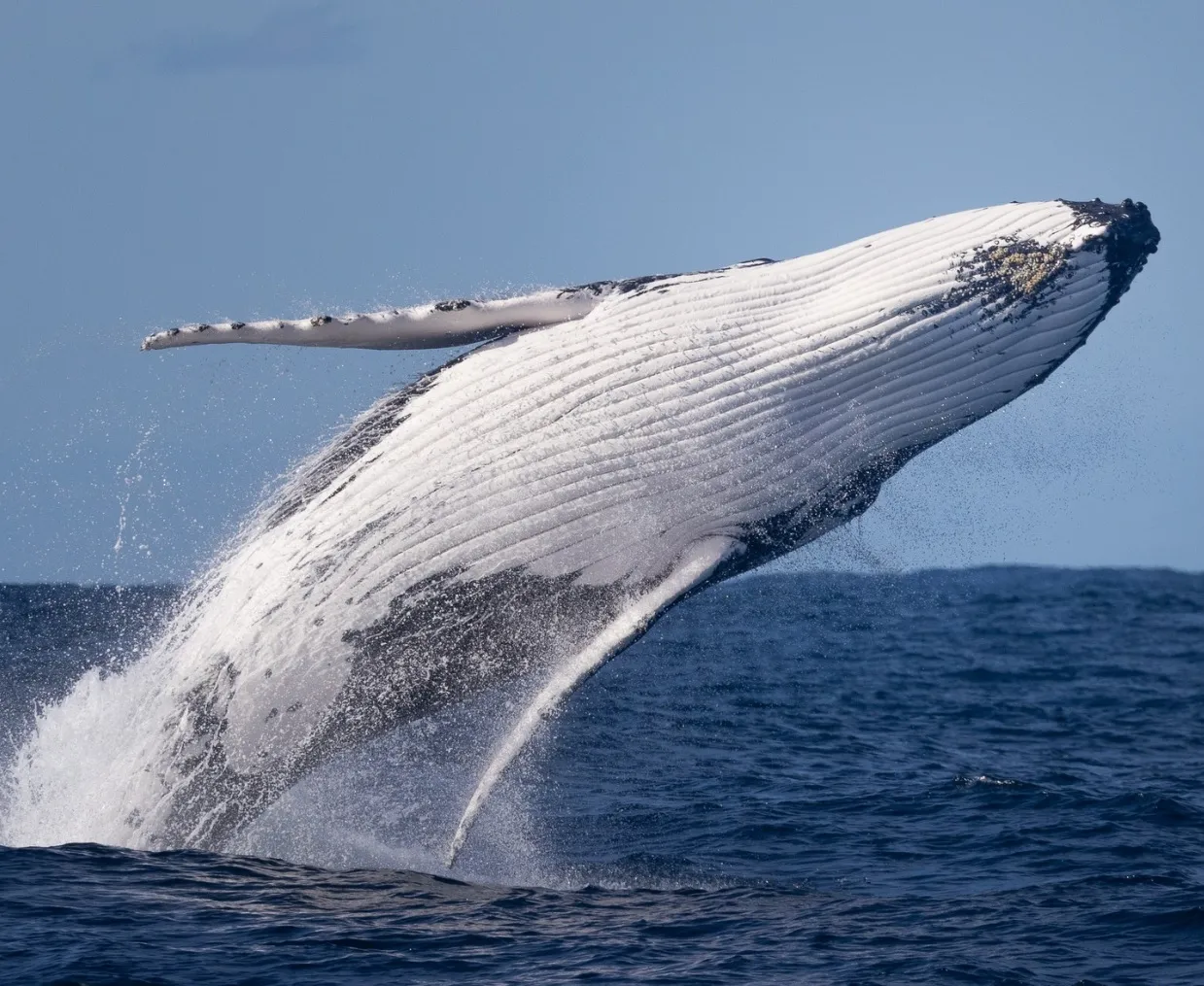
The whale watching Melbourne best time runs from late May through October, when humpback whales migrate north past Phillip Island's southern coastline. Peak sighting months are June through August during the northward journey, with a secondary window in September and October as pods return south with calves. Morning visits between 6:00 and 10:00 offer calmer seas and better light for spotting blows and breaches near Cape Woolamai and the Nobbies.
More than 35,000 humpback whales pass through Bass Strait each year, making Phillip Island one of Victoria's most reliable land-based observation points without the need for boat charters or paid excursions. The whale watching Melbourne best time aligns with the species' predictable migratory rhythm. Humpbacks leave Antarctic feeding grounds in late autumn, traveling north to warmer waters off Queensland and New South Wales where they breed and calve. The northward leg — May through July — sees larger pods moving steadily through Bass Strait, often visible from elevated coastal lookouts along the island's southern shore. By September, the return migration begins, with mothers and newborn calves traveling closer to shore for protection, which can improve sighting odds despite smaller pod sizes. Water temperature, krill abundance, and weather systems influence exact timing each year, but the May-to-October corridor remains consistent. Optimal whale watching conditions depend on sea state as much as migration patterns. Calm mornings with offshore winds flatten the ocean surface, making blows and dorsal fins easier to spot at distance. High tide pushes whales closer to headlands and rocky outcrops where currents concentrate baitfish. Observers stationed at Cape Woolamai, the Nobbies boardwalk, or Pyramid Rock during these windows report the highest success rates. Binoculars extend range significantly — a dark shape breaking the horizon at two kilometers becomes identifiable whale behavior with 10x magnification. Phillip Island's coastal access is free and unrestricted, which allows flexible timing around tide charts and forecast windows rather than fixed tour schedules. The island's southern exposure to Bass Strait places it directly in the migration pathway, but sightings are never guaranteed. Patience, early arrival, and multiple visits across the season yield the most reliable encounters with migrating humpbacks moving through Victorian waters.
“More than 35,000 humpback whales pass through Bass Strait each year, making Phillip Island one of Victoria's most reliable land-based observation points.”
Whale Watching Melbourne Best Time: Seasonal and Daily Insights
The primary whale migration season off Phillip Island occurs during the winter months, specifically between May and October. Visitors aiming for optimal conditions should plan their coastal viewing for the early morning window to benefit from calmer seas and clearer light for spotting.
May to July
Low to moderate10°C to 14°C; cool and windy
Southern Right whales begin their northern migration along the coast. This period offers frequent sightings as whales travel toward warmer breeding grounds.
August to October
Moderate to high11°C to 16°C; variable conditions
Humpback whales are frequently observed during their return migration. These months provide the highest likelihood of seeing cow-calf pairs.
06:00–10:00
Low—
Morning hours offer the best light for visibility. Calm water conditions during this window significantly improve the ability to detect surface activity.
Verdict: The best opportunity for sightings is during the peak migration months of August to October, specifically arriving within the 06:00–10:00 window.
Traveling to Phillip Island for Whale Watching Melbourne Best Time
Phillip Island is located approximately 140 kilometers southeast of Melbourne. The most direct approach for visitors is via private vehicle or regional bus services from the city center.
M1 and A420 (South Gippsland Hwy/Bass Hwy)
V/Line coach from Southern Cross Station to Cowes
Daily Access for Whale Watching Melbourne Best Time
Public coastal locations on Phillip Island are accessible for land-based whale watching 24 hours a day. While access is unrestricted, the recommended arrival window is 06:00–10:00 for optimal viewing conditions.
| Monday | 00:00–23:59 | |
|---|---|---|
| Tuesday | 00:00–23:59 | |
| Wednesday | 00:00–23:59 | |
| Thursday | 00:00–23:59 | |
| Friday | 00:00–23:59 | |
| Saturday | 00:00–23:59 | |
| Sunday | 00:00–23:59 |
Essential Preparation for Whale Watching Melbourne Best Time
Land-based whale watching at Phillip Island requires minimal preparation but the right gear ensures a comfortable and productive visit.
-
Pack binoculars (8×42 or higher) — Whales surface 100–500 metres offshore; magnification reveals blowholes, fins, and breaching behaviour.
-
Dress in windproof layers — Coastal exposure creates wind chill even on mild days; base layer, fleece, and waterproof shell work best.
-
Bring sun protection and a hat — Morning light reflects off water; UV exposure remains high even in cooler months.
-
Carry water and snacks — Public lookout points lack facilities; staying hydrated and energised improves focus during extended watches.
-
Arrive between 06:00 and 10:00 — Calmer morning seas and angled light increase visibility of whale activity near the coastline.
-
Check swell and wind forecasts — Rough conditions obscure surface activity; Bureau of Meteorology marine forecasts guide timing.
Check availability
Frequently asked questions about whale watching melbourne best time
Everything you need to know about whale watching melbourne best time