

Quick answer
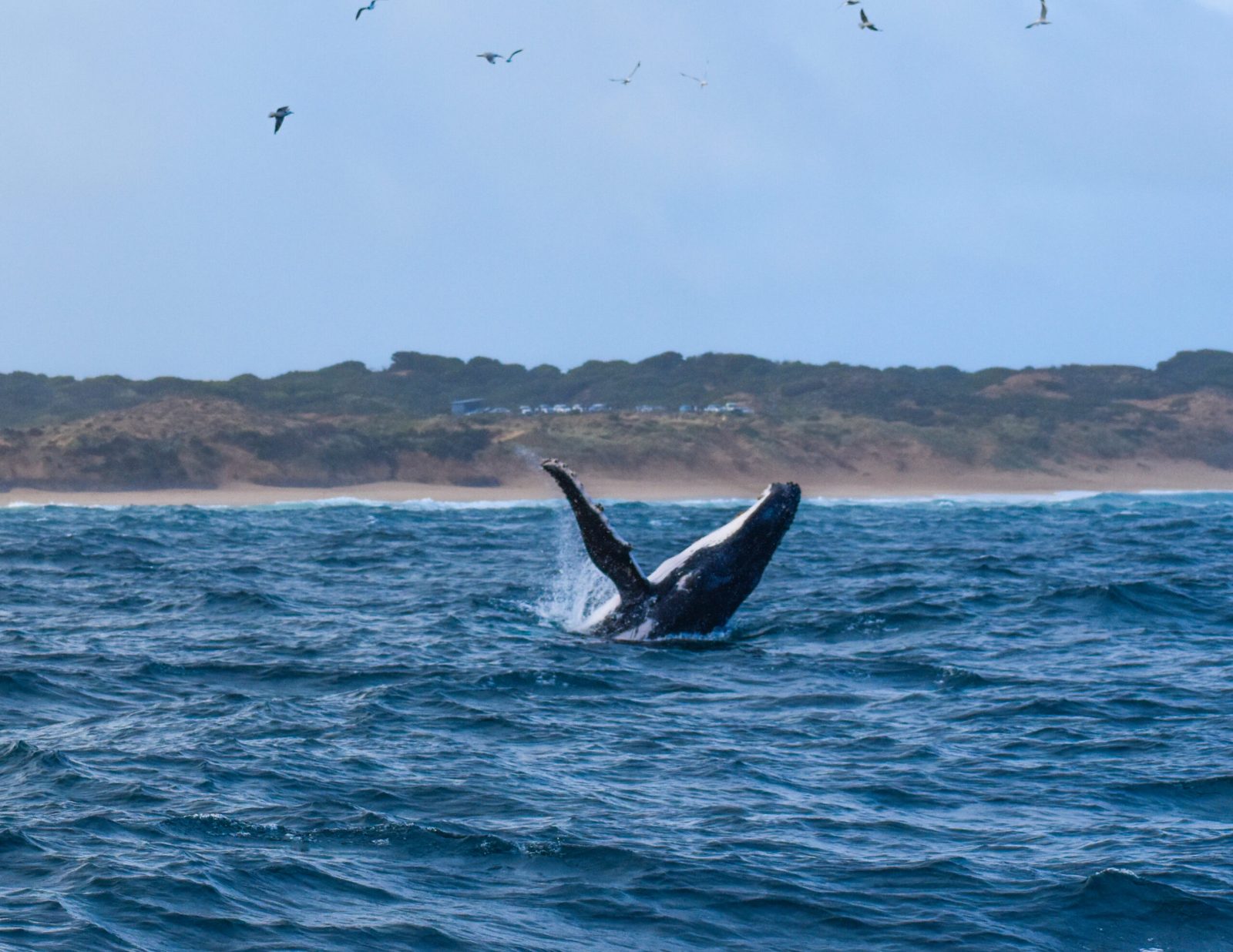
Phillip Island offers the most accessible land-based whale watching near Melbourne, with free public viewpoints along the Whale Discovery Trail at Cape Woolamai, the Nobbies, and Pyramid Rock. Southern right whales and humpback whales migrate past the island from June through October, with peak sightings typically occurring in September and early October. Arrive between 9am and 5pm for optimal daylight viewing conditions, and bring binoculars for distant pods.
More than 3,000 humpback whales pass through Bass Strait each winter, and Phillip Island's coastal geology positions observers at eye level with their migratory path. The continental shelf drops away just offshore, channeling whales close to land as they navigate between deep water and sheltered bays. The Whale Discovery Trail connects seven designated lookout points along the island's southern and western coasts, each marked with interpretive signage explaining whale behavior and migration ecology. Cape Woolamai's granite headland rises 80 meters above the ocean, providing a commanding view of the migration corridor during the southbound return journey in spring. The Nobbies boardwalk extends over wave-cut platforms where southern right whales have been recorded breaching within 200 meters of the observation deck. Pyramid Rock, at the island's western tip, captures the northbound leg in late autumn when mothers with calves hug the coastline. Whale behavior dictates viewing success more than weather. Humpbacks travel in small pods and surface every 8 to 12 minutes to breathe, creating visible blows that can be spotted from shore in calm conditions. Southern right whales move more slowly and often linger in shallow water, making them easier to observe for extended periods. Early morning sessions between 9am and 11am coincide with increased surface activity as whales feed on krill concentrations stirred by overnight currents. Melbourne's only mainland whale watching opportunity occurs 90 minutes from the city center, with no permits required and no restricted access periods. The island's volcanic rock formations and low coastal scrub eliminate visual obstructions common at beach-level viewpoints elsewhere along the Victorian coast. Migration timing aligns with the island's shoulder season, when accommodation availability increases and day-trip logistics become more flexible for visitors planning around whale movement patterns rather than fixed tour schedules.
“The continental shelf drops away just offshore, channeling whales close to land as they navigate between deep water and sheltered bays.”
The Best Time for Where to See Whales in Melbourne and Phillip Island
The prime window for whale watching on Phillip Island occurs during the winter migration season, which typically spans from May to October. Planning your visit within the best arrival window of 09:00–17:00 ensures optimal daylight for spotting humpback and southern right whales from coastal viewpoints.
May to July
ModerateCool, 10°C to 14°C
Whales begin their northward migration along the coast. This period offers frequent sightings as pods travel toward warmer waters.
August to October
HighMild, 12°C to 16°C
The southward migration provides opportunities to see whales returning with calves. Coastal winds are common, so appropriate layers are recommended.
Weekday mornings
Low—
Mid-week visits provide a quieter experience at popular viewing points. Arriving between 09:00 and 12:00 avoids the heavier weekend foot traffic.
Verdict: The best opportunity for whale spotting occurs on weekday mornings during the peak migration months of August and September.
Opening Hours for Where to See Whales in Melbourne Coastal Viewpoints
Public viewing points along the Whale Discovery Trail are accessible 24 hours a day. For optimal visibility and spotting conditions, visitors are encouraged to plan their arrival during daylight hours.
| Monday | 00:00–23:59 | Always open |
|---|---|---|
| Tuesday | 00:00–23:59 | Always open |
| Wednesday | 00:00–23:59 | Always open |
| Thursday | 00:00–23:59 | Always open |
| Friday | 00:00–23:59 | Always open |
| Saturday | 00:00–23:59 | Always open |
| Sunday | 00:00–23:59 | Always open |
Entrance Fees for Where to See Whales in Melbourne and Phillip Island
Access to public whale viewing points along the Phillip Island Whale Discovery Trail is provided at no cost. Please note that this does not apply to commercial boat charters, which operate independently with their own pricing structures.
Visitors pay 0 AUD for coastal land-based viewing, while costs for commercial boat tours vary based on the specific charter provider.
Getting There: Where to See Whales in Melbourne and Beyond
Phillip Island is located approximately 140 kilometers southeast of Melbourne. The most direct and flexible way to reach the island and its coastal viewing points is by car.
M1 and Monash Freeway (M1) to Bass Highway (A420)
V/Line coach from Southern Cross Station to Cowes
Direct transfer via M1 and Bass Highway
Top Viewpoints: Where to See Whales in Melbourne and Phillip Island
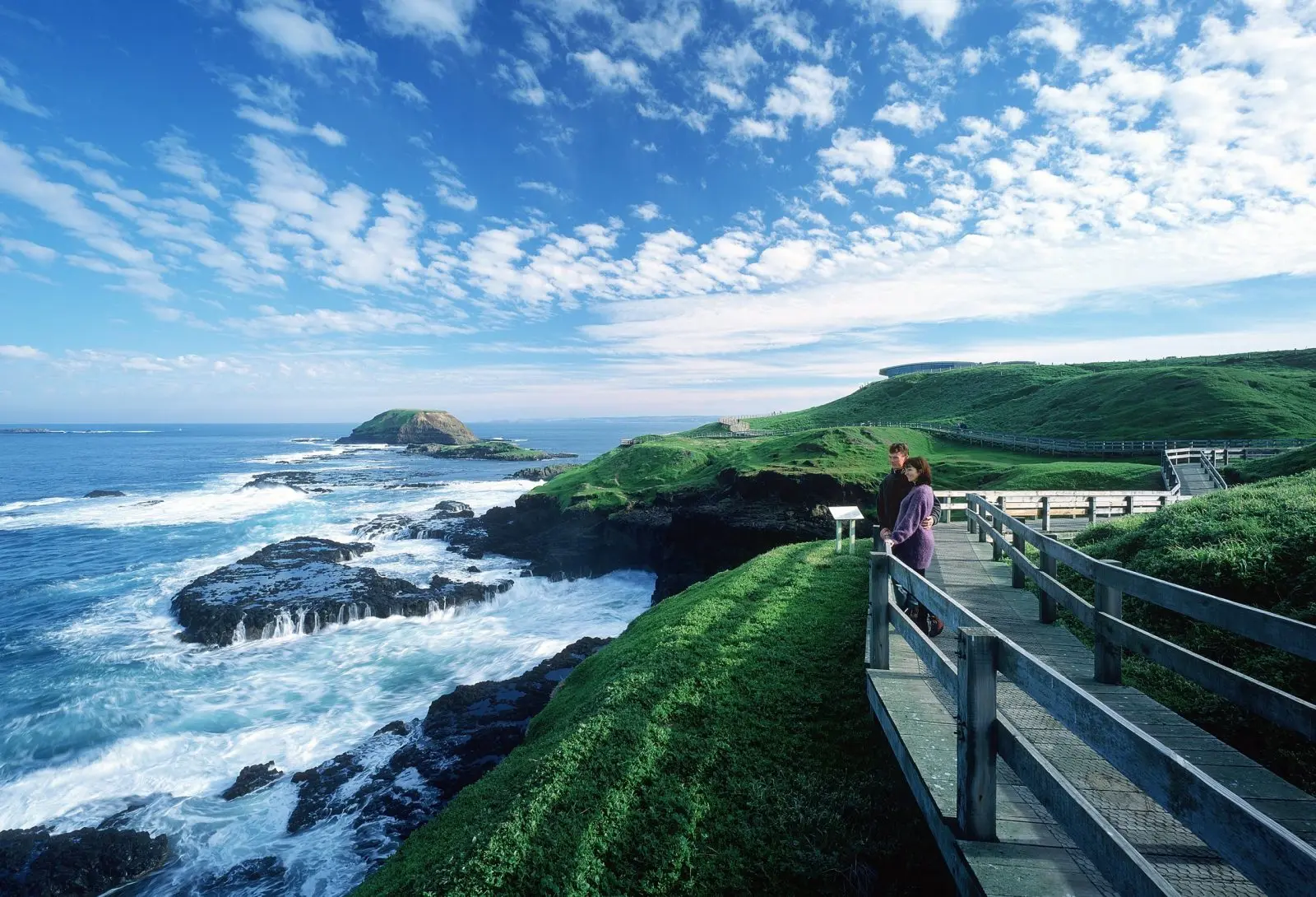
The Nobbies Centre
Capture the rugged coastline and ocean horizon from the elevated boardwalks surrounding this headland.
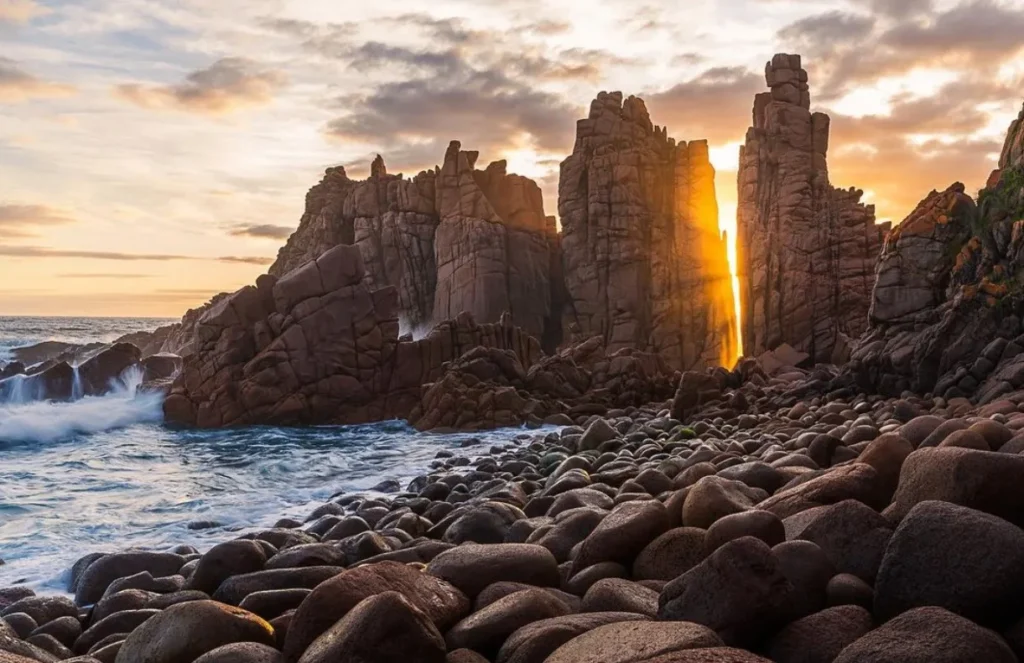
Cape Woolamai
This high vantage point offers panoramic views of the ocean and is a key location along the Whale Discovery Trail.
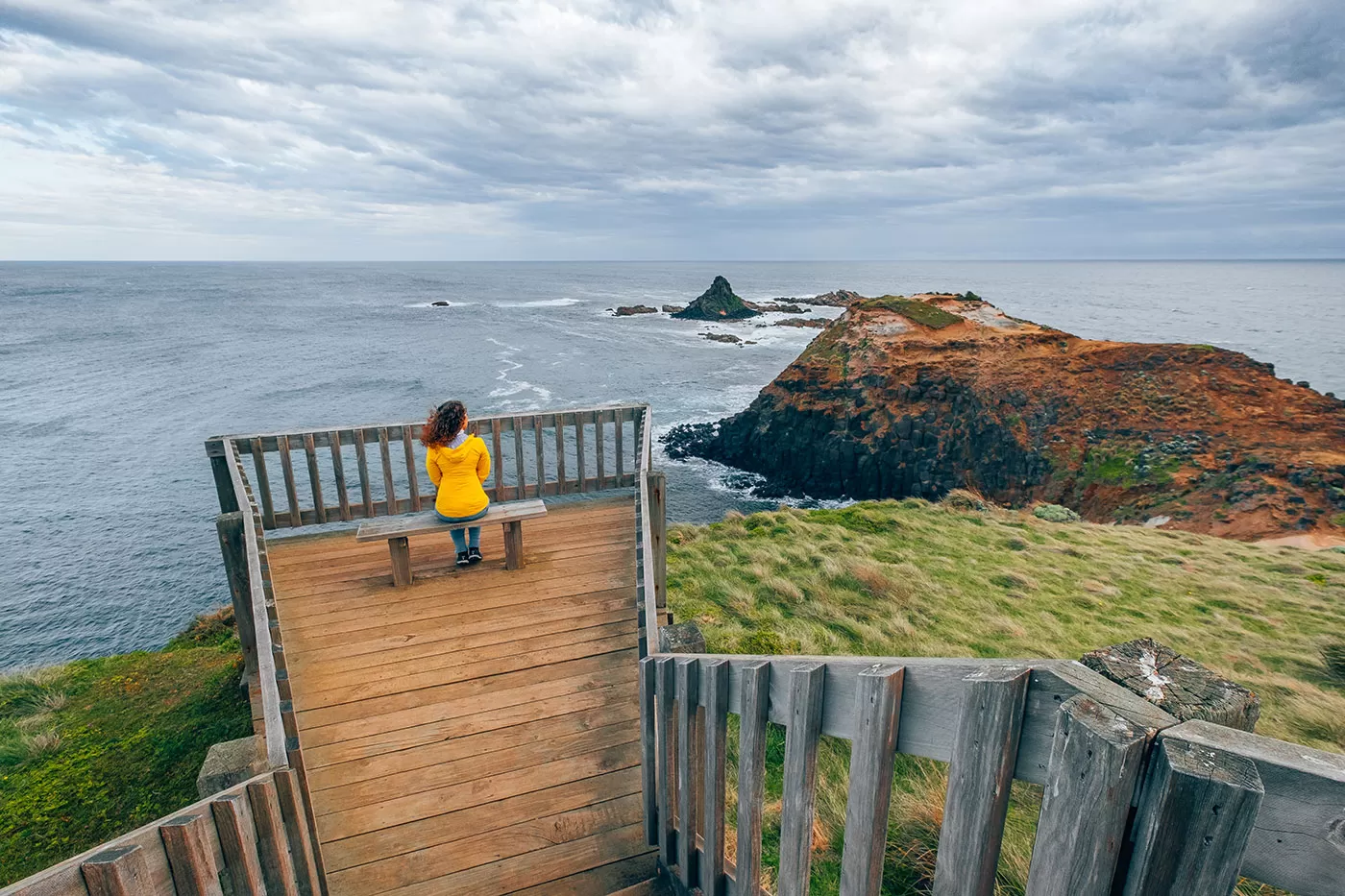
Pyramid Rock Lookout
A timber viewing platform providing a focused angle toward the Bass Strait for tracking whale activity.
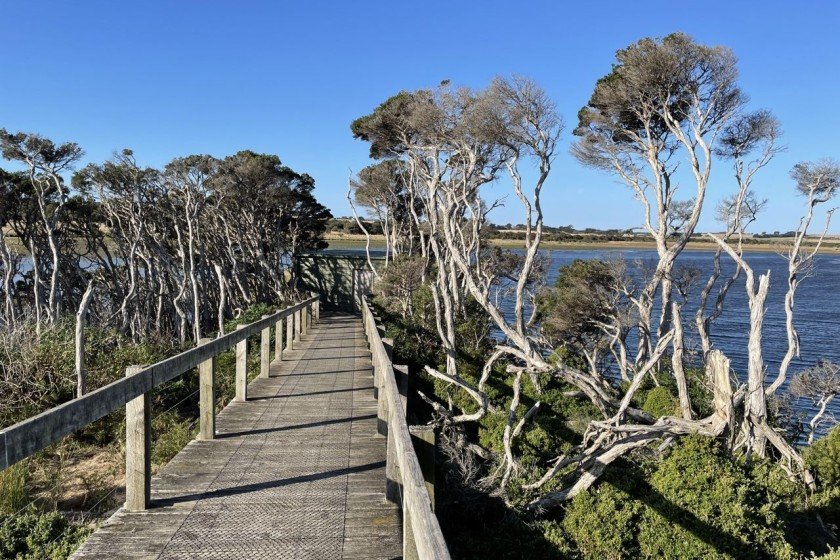
Swan Lake Trail
A combination of coastal scrub and elevated platforms allow for quiet observation of the surrounding waters.
Nearby Attractions for Where to See Whales in Melbourne and Phillip Island
Phillip Island offers several complementary nature-based experiences that pair well with coastal wildlife observation. These locations allow visitors to extend their stay and explore the island's diverse marine and terrestrial ecosystems.
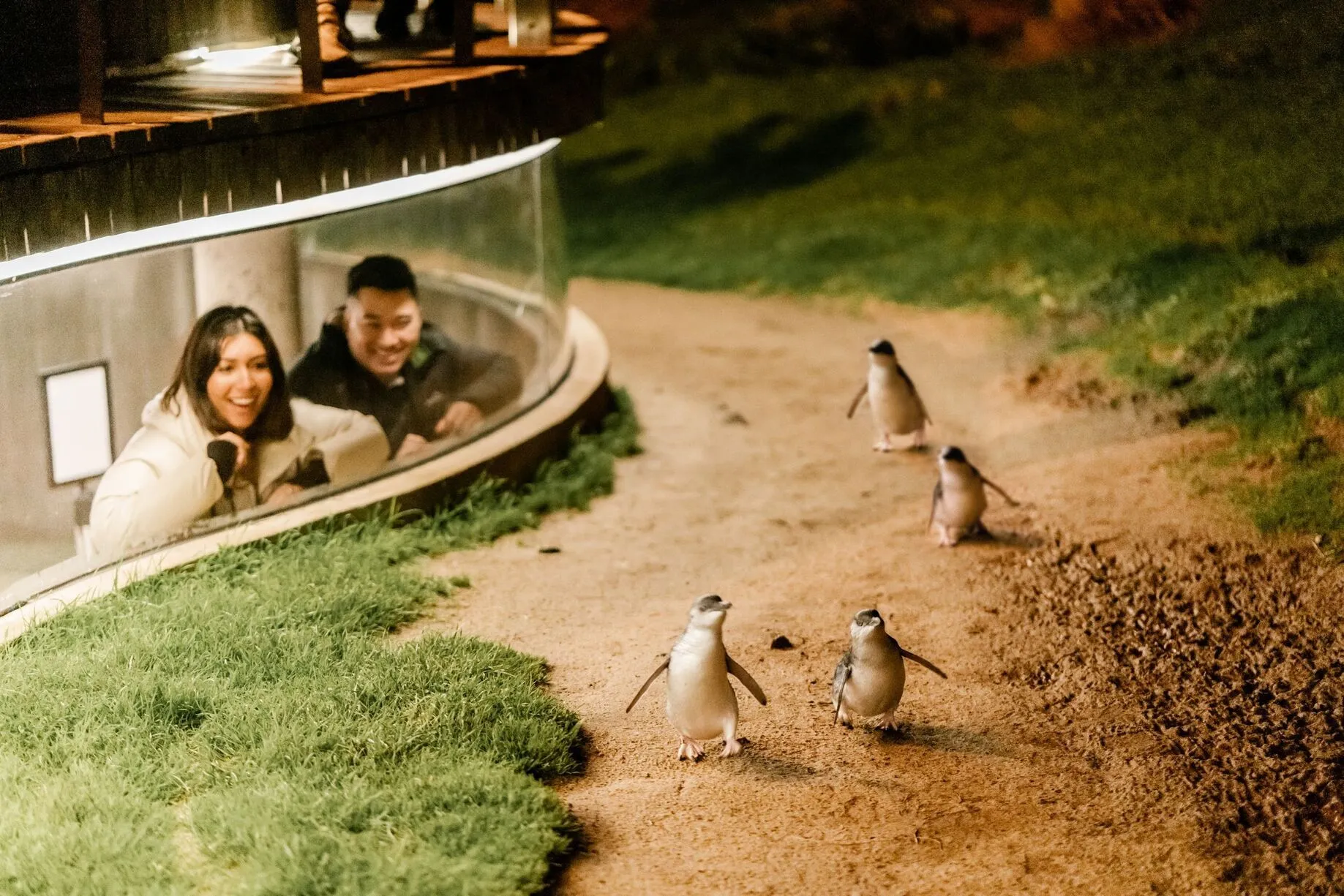
Penguin Parade
Observe the nightly return of little penguins to the shore after completing your whale spotting activities.
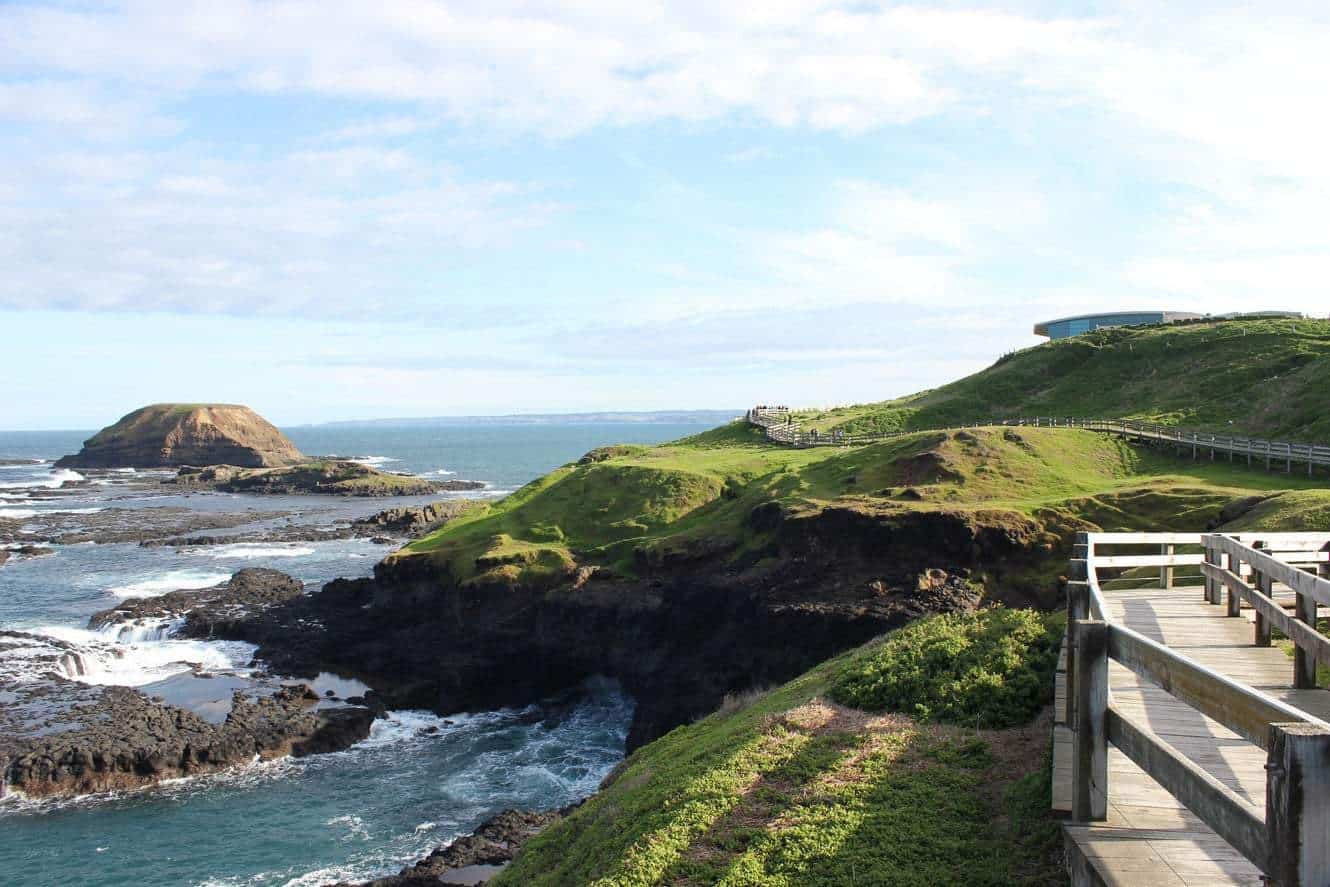
The Nobbies Centre
This site features clifftop boardwalks providing coastal views that serve as a natural extension to the Whale Discovery Trail.
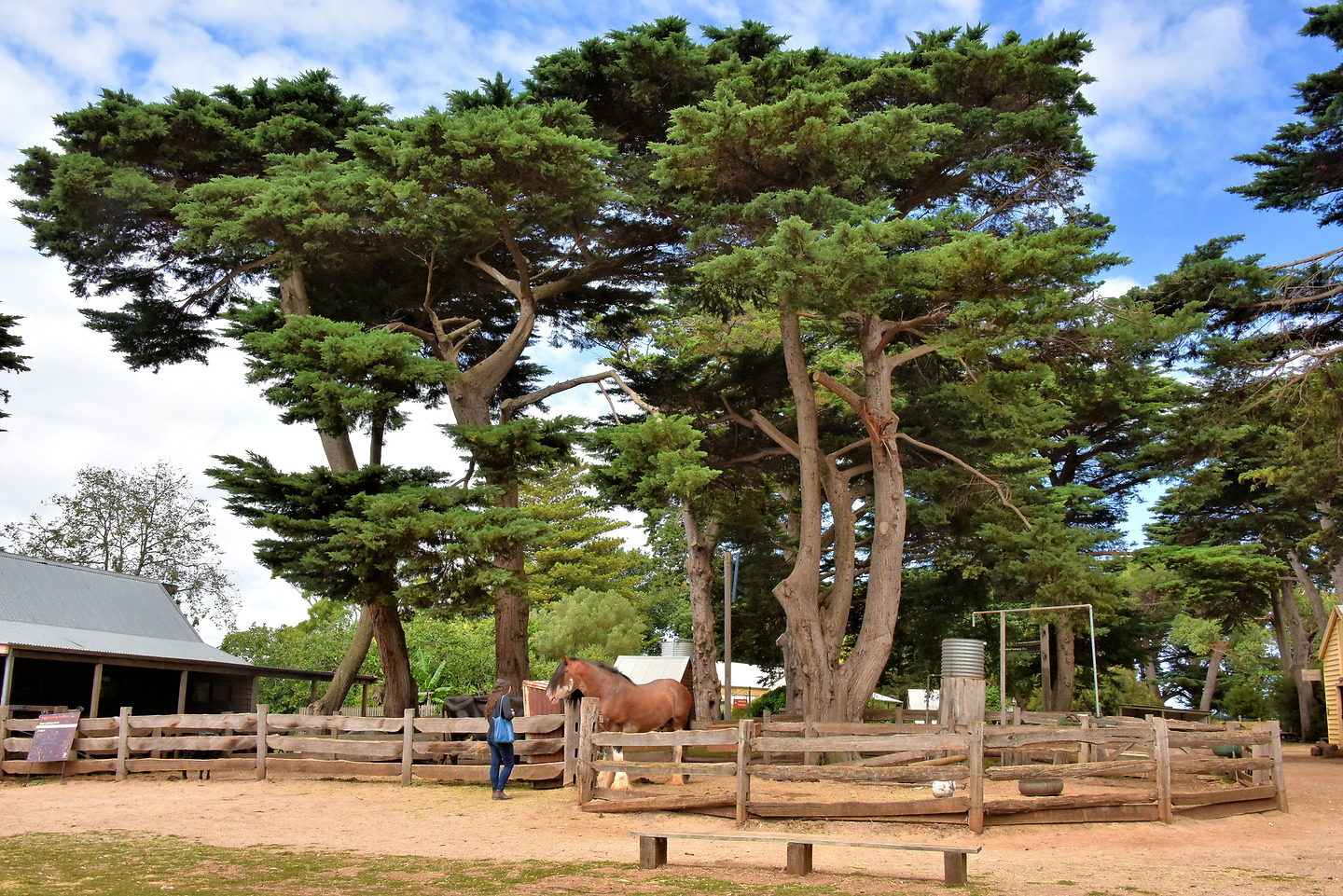
Churchill Island Heritage Farm
A historic site offering a contrast to marine activities with its traditional farming practices and scenic bay views.
Checklist for Where to See Whales in Melbourne and Phillip Island
Prepare the right gear and check conditions before heading to the coast.
-
Pack binoculars or a zoom lens — Whales often appear several hundred meters offshore, and optical magnification helps spot blows and breaches.
-
Bring layered warm clothing — Coastal winds can drop temperatures quickly, even on sunny days.
-
Download a weather radar app — Sudden rain squalls and fog can obscure visibility along the viewing trail.
-
Charge your phone fully — You'll need battery for photos, maps, and the Phillip Island Visitor Information Centre contact (1300 633 422).
-
Wear sturdy closed-toe shoes — The Whale Discovery Trail includes uneven coastal paths and gravel sections.
-
Check tide times online — Low tide exposes rock platforms that improve sightline angles at certain lookouts.
Check availability
Frequently asked questions about where to see whales in melbourne
Everything you need to know about where to see whales in melbourne