3 hr
Phillip Island Whale & Dolphin Watching Cruise
- Entry ticket
- Mobile voucher
- Valid same day
- Free cancellation
Melbourne Whale Watching Tour — Phillip Island Cruises
Humpback migrations meet Bass Strait currents, where Victoria's richest marine corridor unfolds
Compare fares, pick the fit — all bookings are mobile-voucher and eligible for free cancellation where shown.
3 hr
12 hr
12 hr
Selecting the right melbourne whale watching tour requires choosing between different cruise lengths and departure points to best suit your wildlife interests. Whether you prefer a quick excursion or a comprehensive island circumnavigation, these marine excursions offer a unique perspective on Victorian coastal landmarks.
| Winter Whale Cruise 4-Hour Coastal Tour |
Top pick Dolphin & Whale Cruise 3-Hour Southern Coast Tour |
|
|---|---|---|
| Duration | 4 hours | 3 hours |
| Departure Location | Rhyll Jetty | San Remo Jetty |
| Primary Focus | Island circumnavigation | Cape Woolamai cliffs |
| Wildlife Sighting | Whales and seals | Whales and dolphins |
| Refreshments | Morning tea included | Afternoon tea included |
| Best for | First-timers | Short-duration preference |
| See tickets & prices |
Verdict: For the most complete experience including the famous seal colony, the 4-hour winter melbourne whale watching tour tickets are the recommended choice.
Worth it for wildlife enthusiasts and nature lovers
A melbourne whale watching tour from Phillip Island delivers rare access to migratory humpback and southern right whales along Victoria's most productive marine corridor. The Phillip Island Whale & Dolphin Watching Cruise operates with experienced marine naturalists who interpret whale behavior and track seasonal migration patterns between May and November. Unlike land-based observation points along the coast, these dedicated vessels position you within regulated proximity to feeding and breaching sites, while the crew's knowledge of local oceanography and animal movement significantly improves sighting probability. The Phillip Island coastline's bathymetry—where deep channels meet nutrient-rich upwellings—creates ideal foraging conditions that attract not only whales but resident dolphin pods year-round. Tours typically span three hours on the water, and while wildlife encounters are never guaranteed, the combination of expert guidance, marine biodiversity, and the dramatic Bass Strait seascape justifies the investment for visitors seeking authentic pelagic wildlife experiences rather than manufactured attractions.
Bottom line: Book melbourne whale watching tour tickets during peak migration months if you value expert-guided marine encounters over guaranteed sightings.
They complement each other; most visitors who do both call the boat tour the more immersive way to encounter marine life, while the trail offers a flexible, cost-free alternative for patient observers. Planning your melbourne whale watching tour requires choosing between active pursuit at sea or land-based coastal vantage points.
|
Top pick Whale Watching Tour |
Whale Discovery Trail | |
|---|---|---|
| Primary Activity | Guided boat cruise | Self-guided coastal stops |
| Observational Success | High (active tracking) | Variable (requires patience) |
| Duration | 4 hours | Flexible |
| Entrance Fee | 179 AUD | 0 AUD |
| Group Size | Max 70 passengers | Independent |
| Best Conditions | Calm waters | Clear horizons |
| Key Sights | Whales, seals, dolphins | Scenic lookouts, headlands |
| See tickets & prices |
Verdict: If you want the best chance of spotting whales, book your melbourne whale watching tour tickets for the cruise; otherwise, use the free trail for a relaxed, self-paced day.
Hand-picked experiences loved by thousands of travelers
9.5 hours
Free Cancellation
Witness koalas in native woodlands and tiny penguins waddling ashore on Phillip Island.
12 hours
Free Cancellation
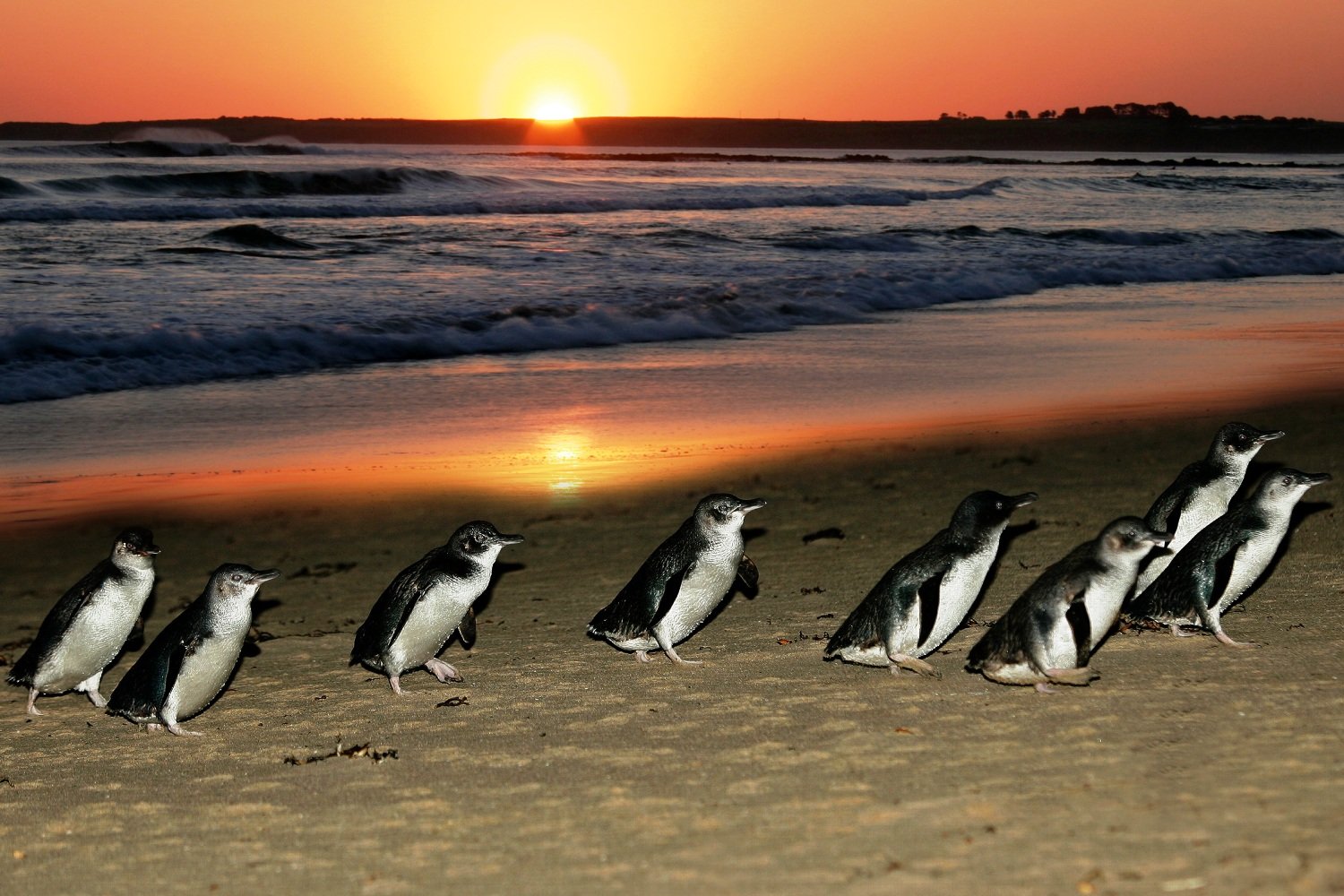
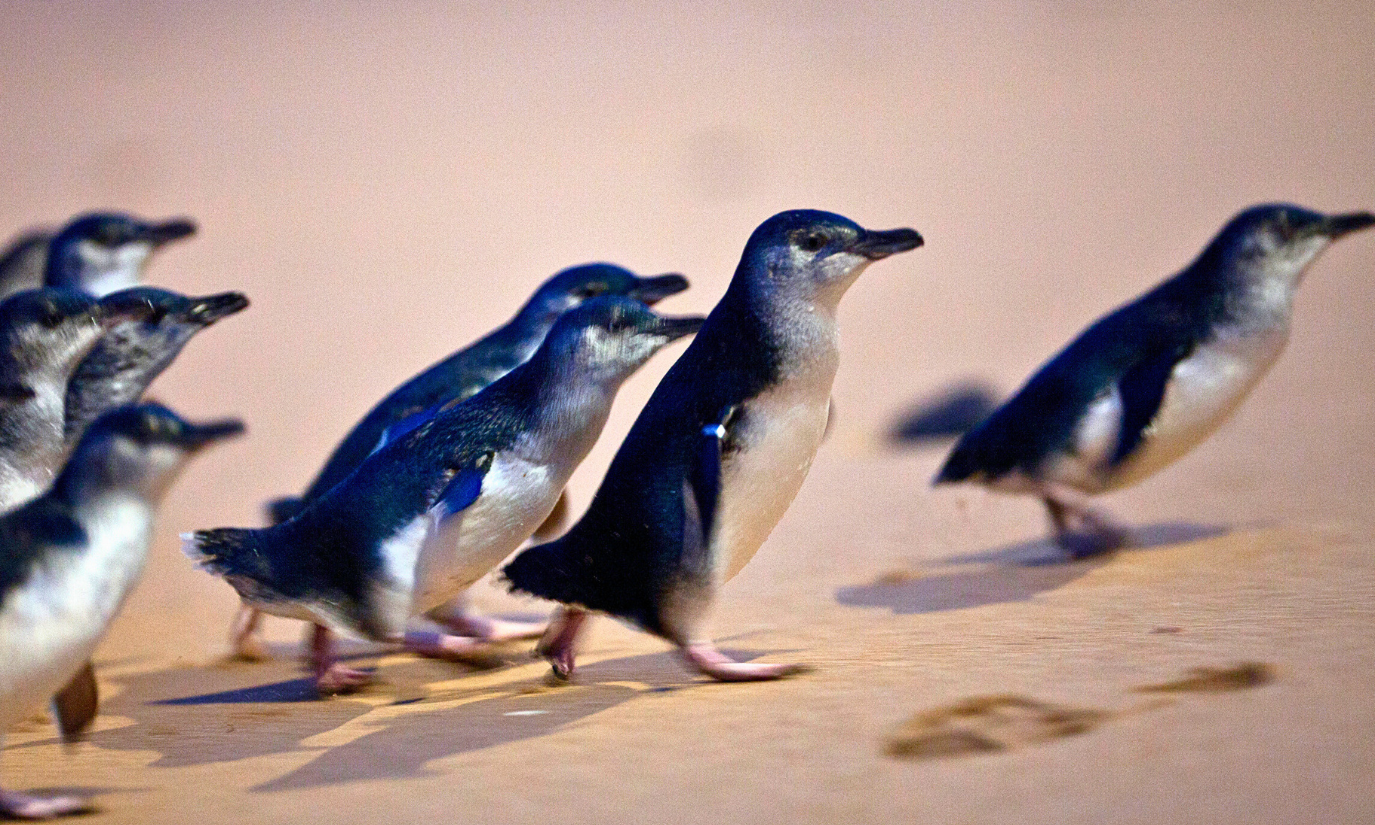
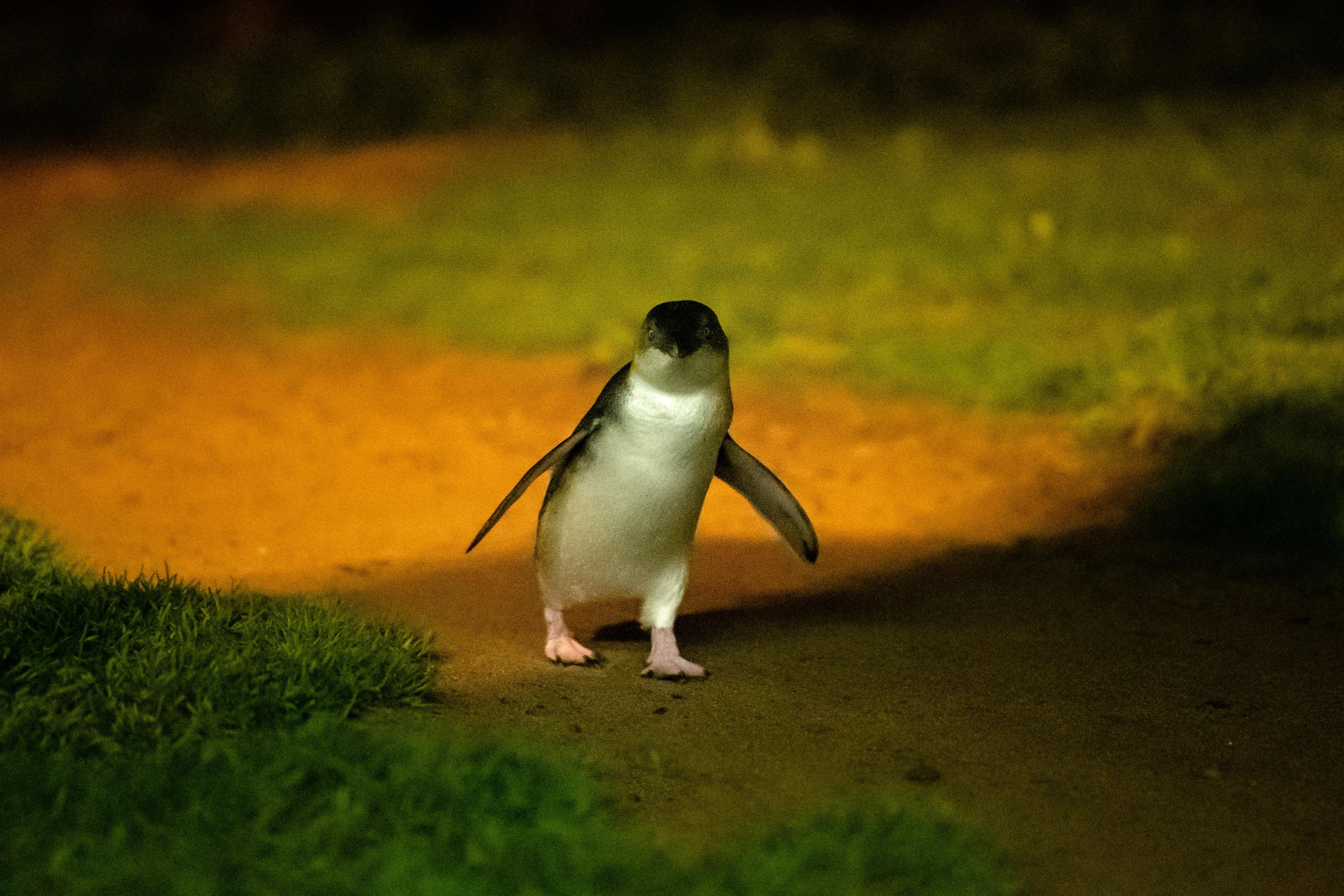
Encounter native Australian wildlife and watch hundreds of little penguins return home at sunset on Phillip Island.
10 hours
Free Cancellation
Watch little penguins waddle ashore at sunset and meet koalas in their natural habitat on this full-day escape from Melbourne.
9 hours
Free Cancellation
Discover Phillip Island's rugged coastline, Seal Rocks views, and the famous little penguin parade on an afternoon trip.
1 hour
Free Cancellation
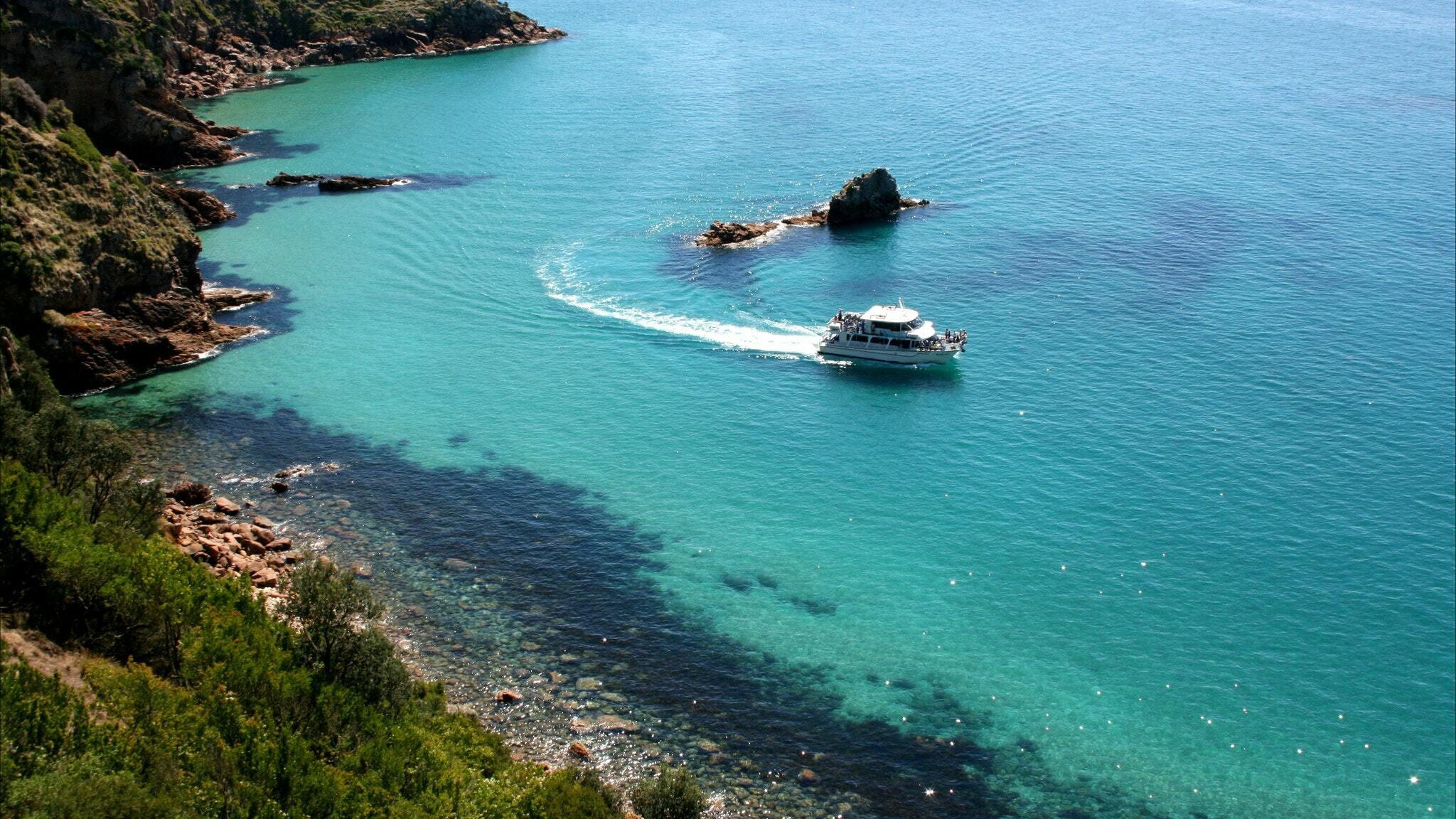
Explore Phillip Island's dramatic coastline on a morning boat trip with refreshments included
12 hours
Free Cancellation
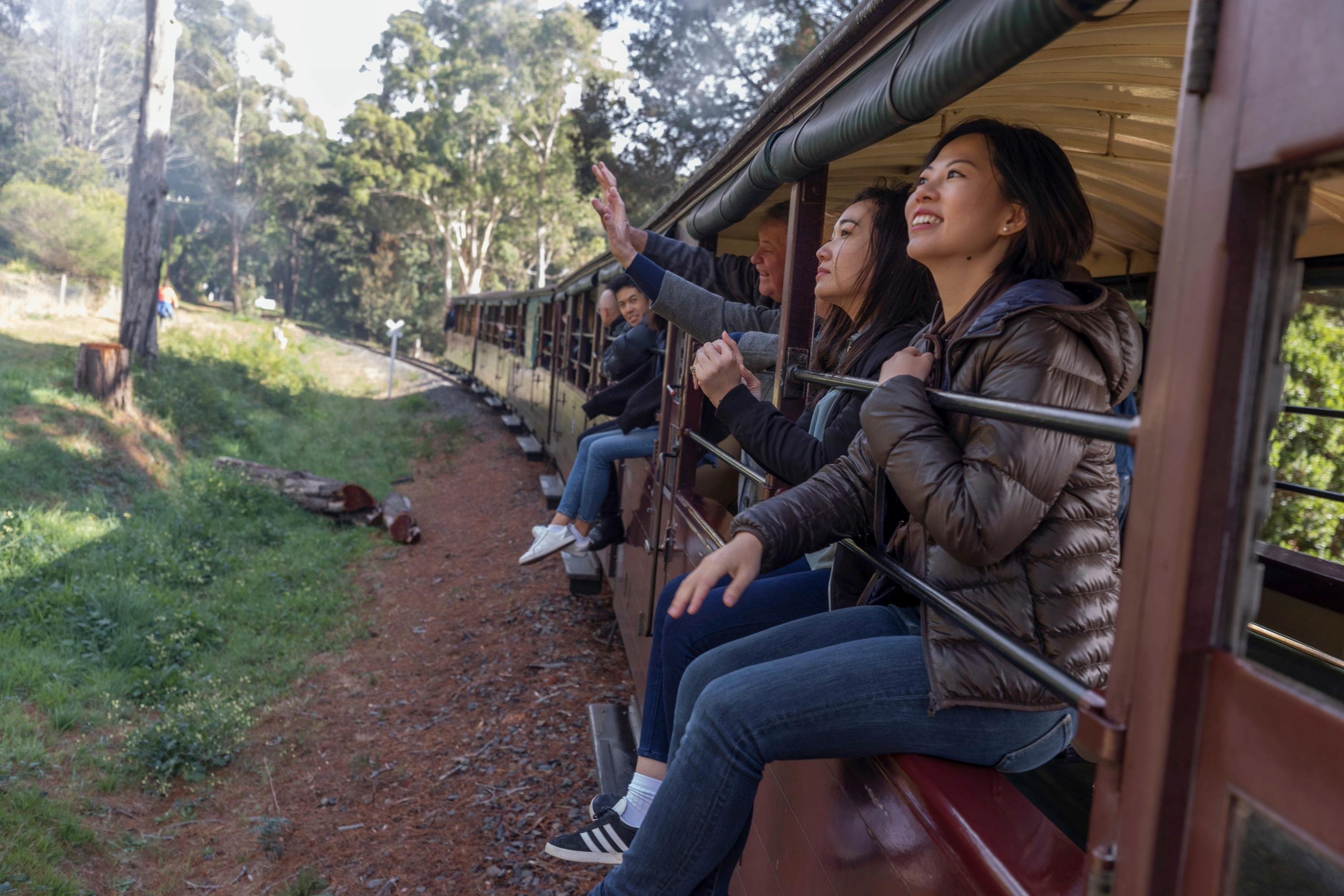
Journey through mountain forests on a heritage railway, then watch little penguins come ashore at dusk
10 hours
Free Cancellation
Watch little penguins return at sunset on an intimate 11-guest tour with Melbourne hotel pickup included
11 hours
Free Cancellation
Full-day escape combining wine tasting, coastal scenery, and the iconic Little Penguin sunset spectacle
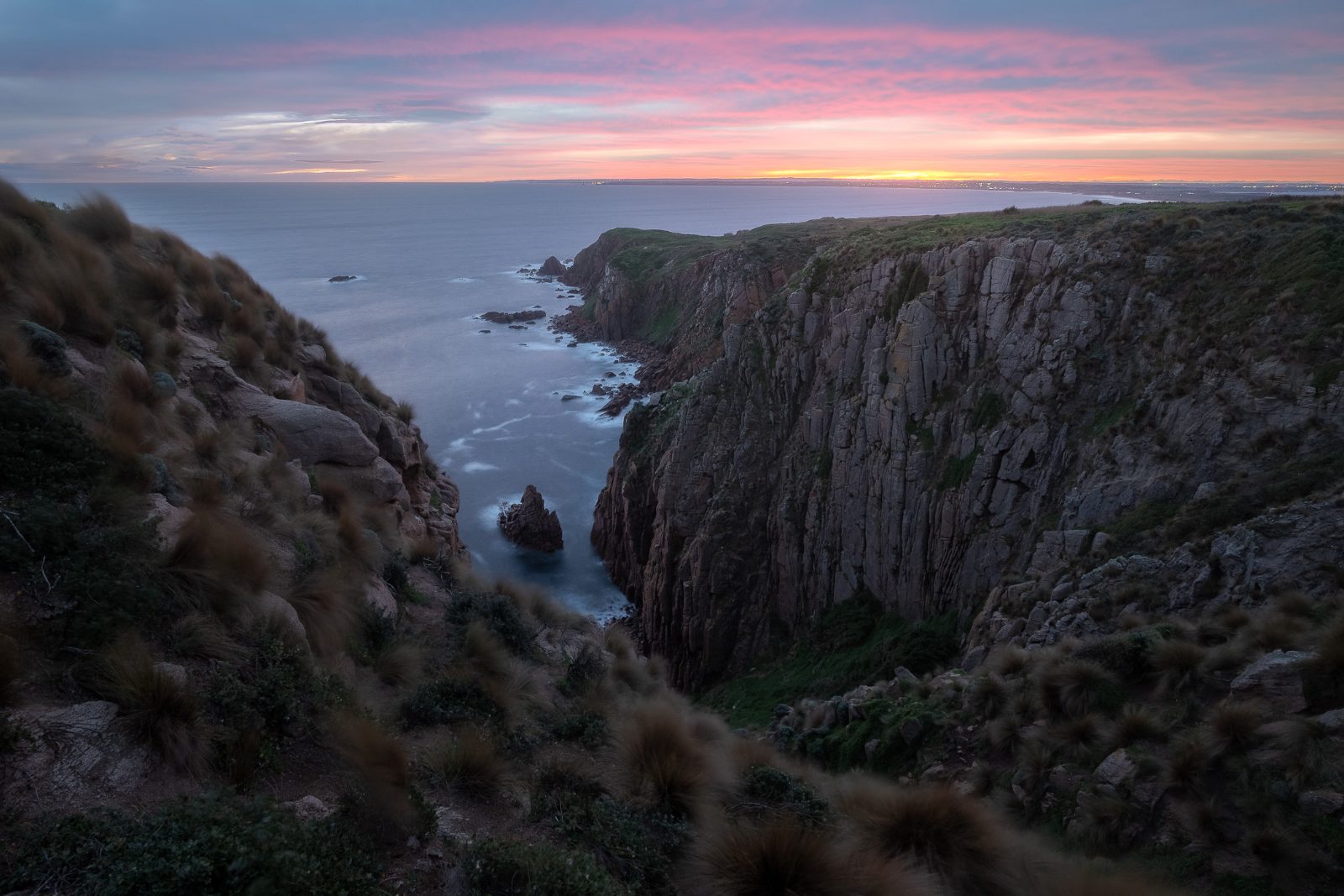
Features dramatic pink granite cliffs and serves as a prime backdrop for observing whale migration paths
Cape Woolamai cliffs
Home to the largest colony of Australian fur seals in the country, often visible during the cruise
Seal Rocks Australia
A striking geological formation along the southern coastline often used as a landmark for boat navigation
Pyramid Rock Phillip Island
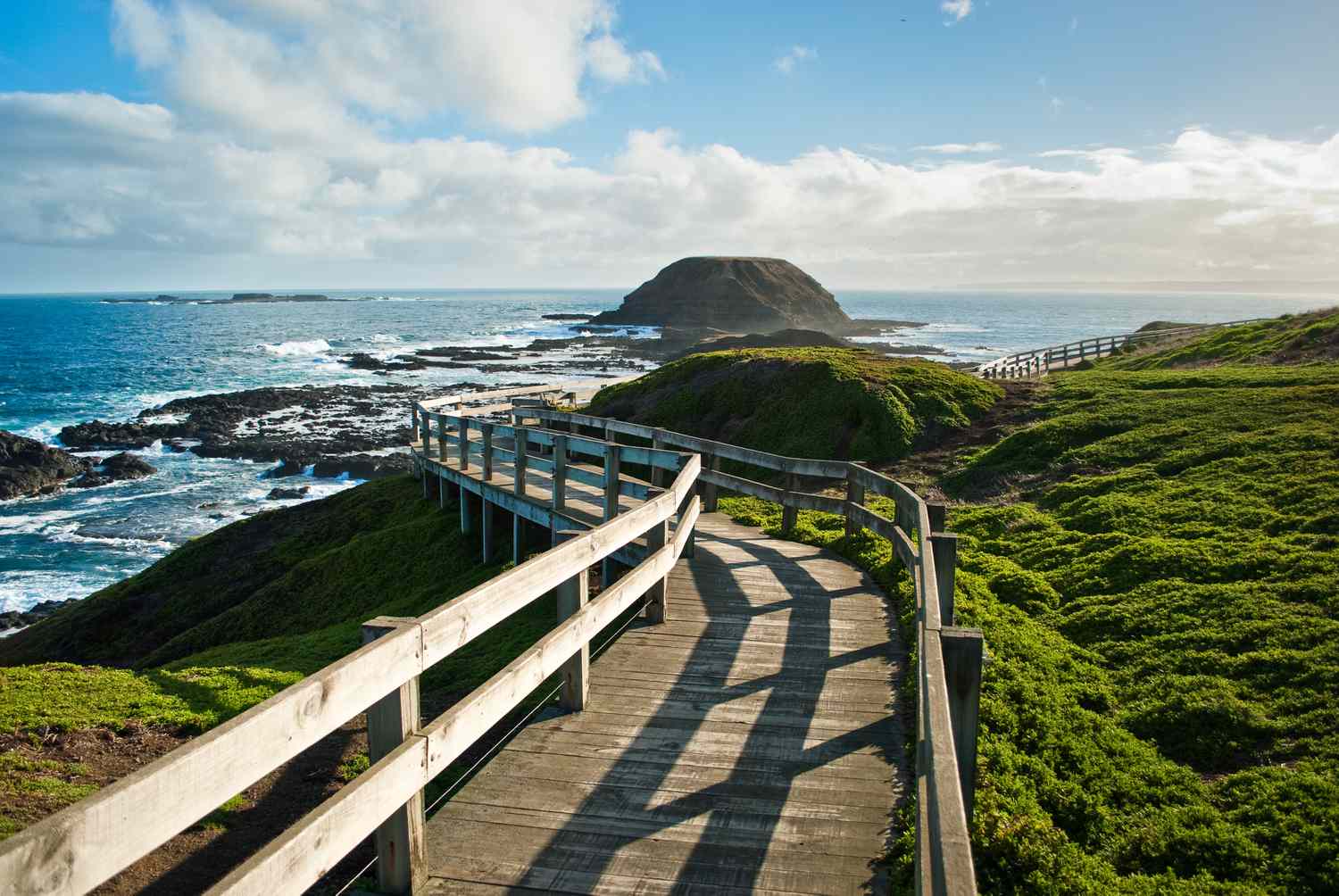
Known for its blowhole and rugged coastal views near the western tip of the island
The Nobbies boardwalk
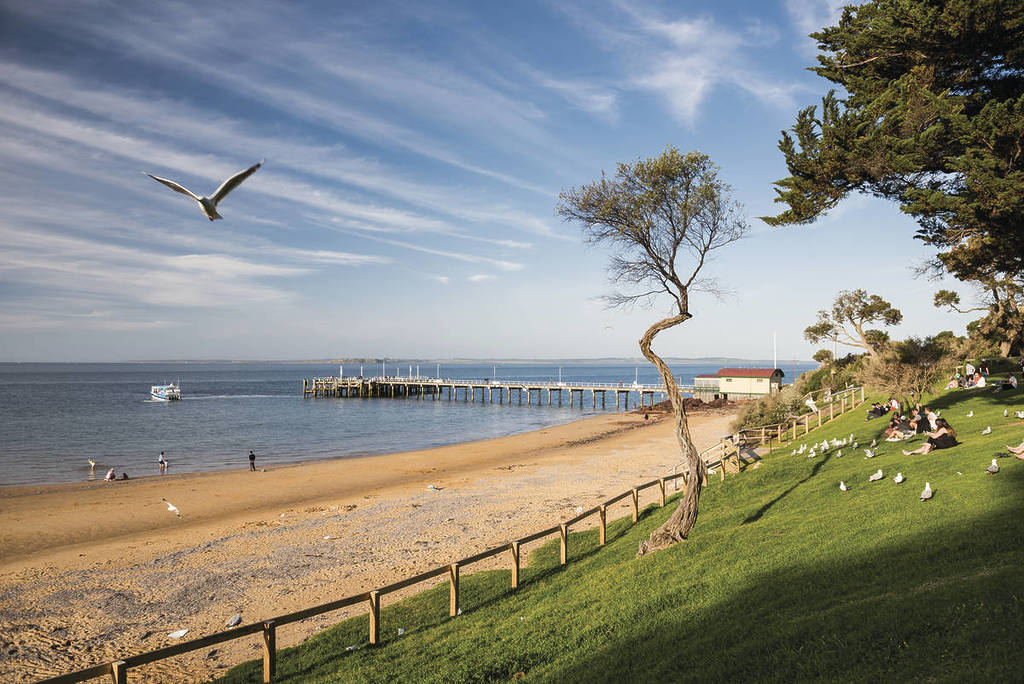
The primary departure point for many boat cruises, located right in the heart of the town
San Remo Jetty
You board at San Remo jetty, where crew brief you on wildlife approach protocols and hand out weatherproof jackets. The vessel clears the narrow channel in eight minutes, passing beneath the Phillip Island bridge as cormorants dry their wings on navigation markers.
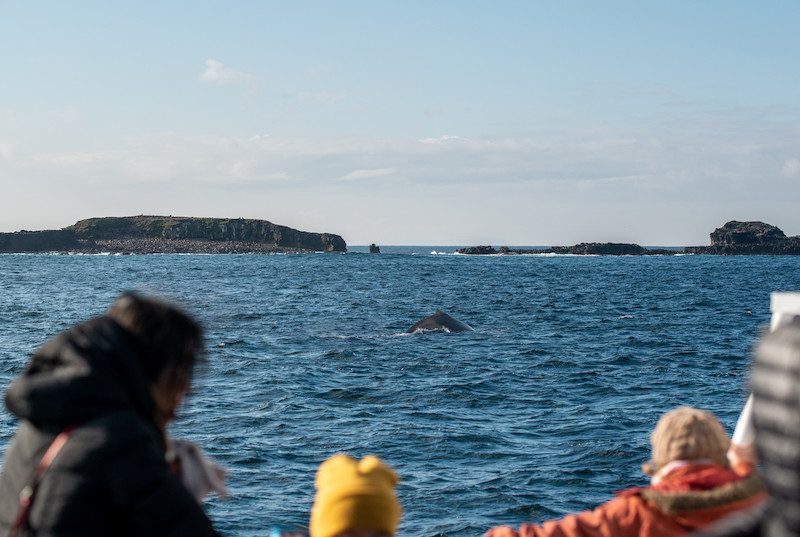
Once in Bass Strait, the captain cuts speed and begins a systematic search pattern, scanning for the vertical blow of surfacing whales.
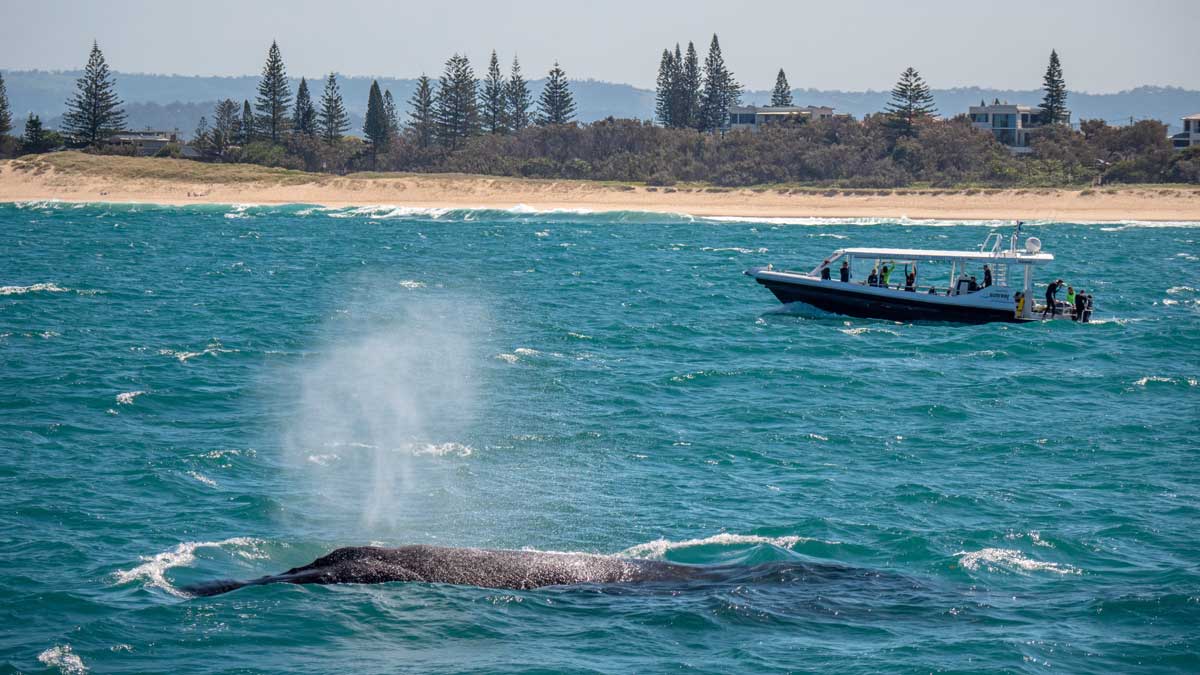
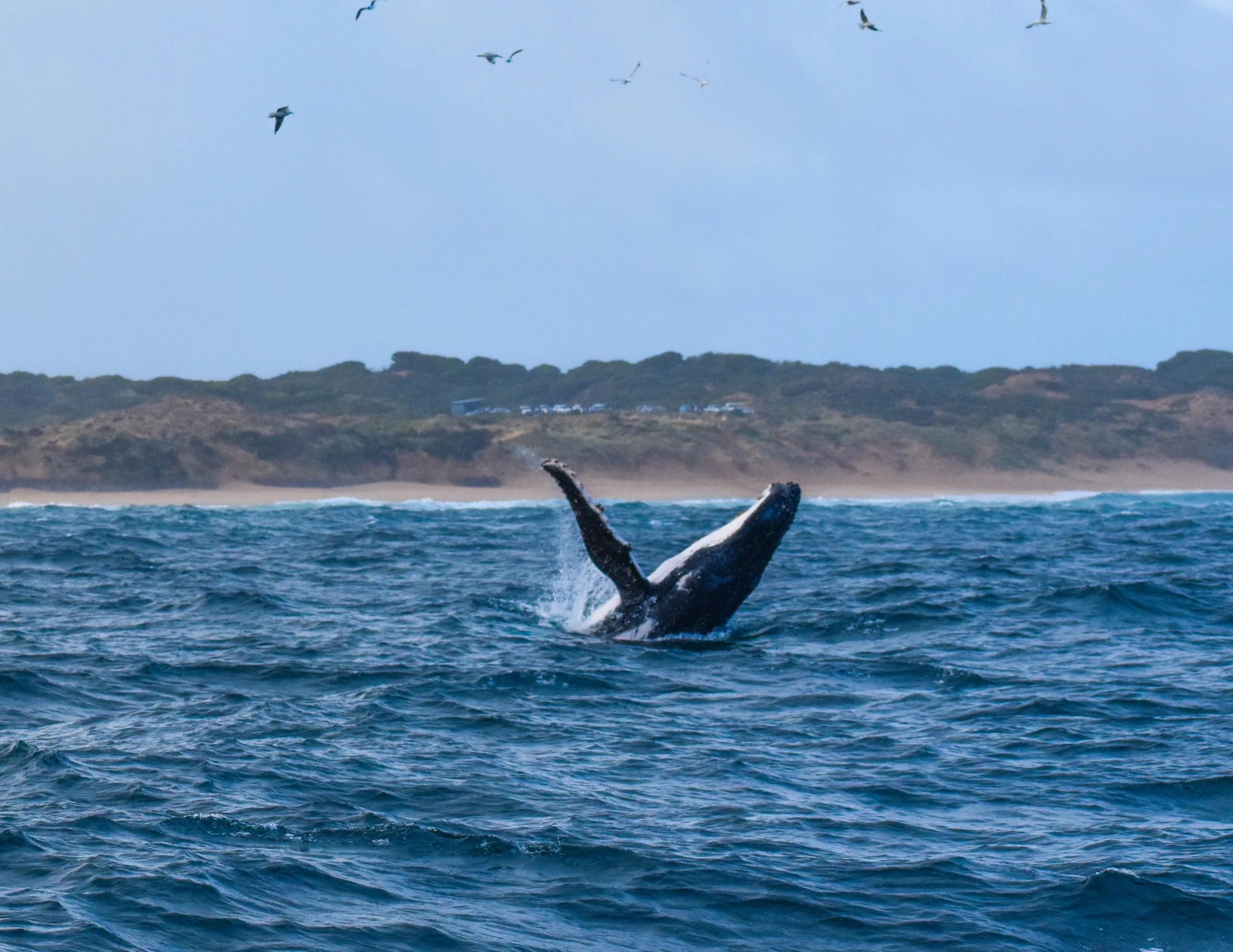
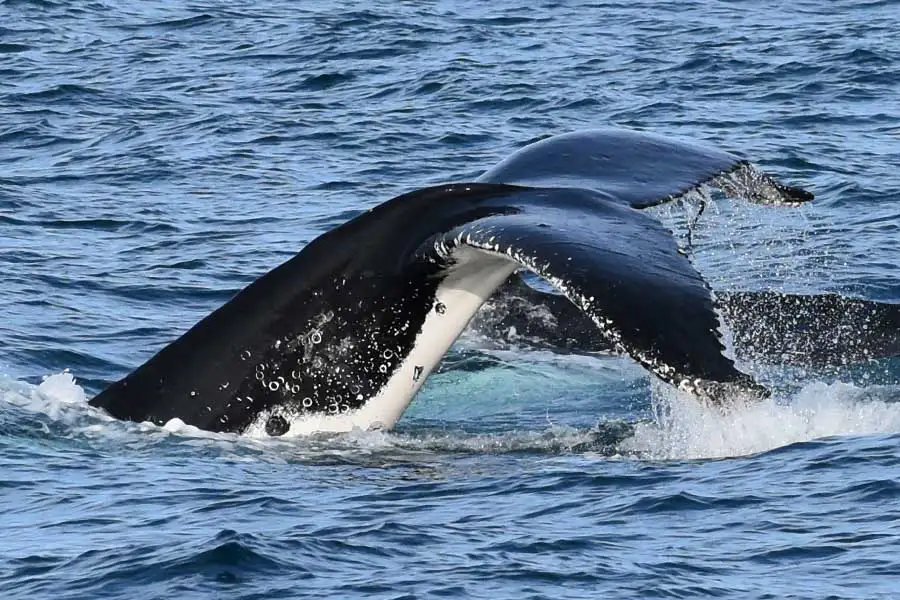
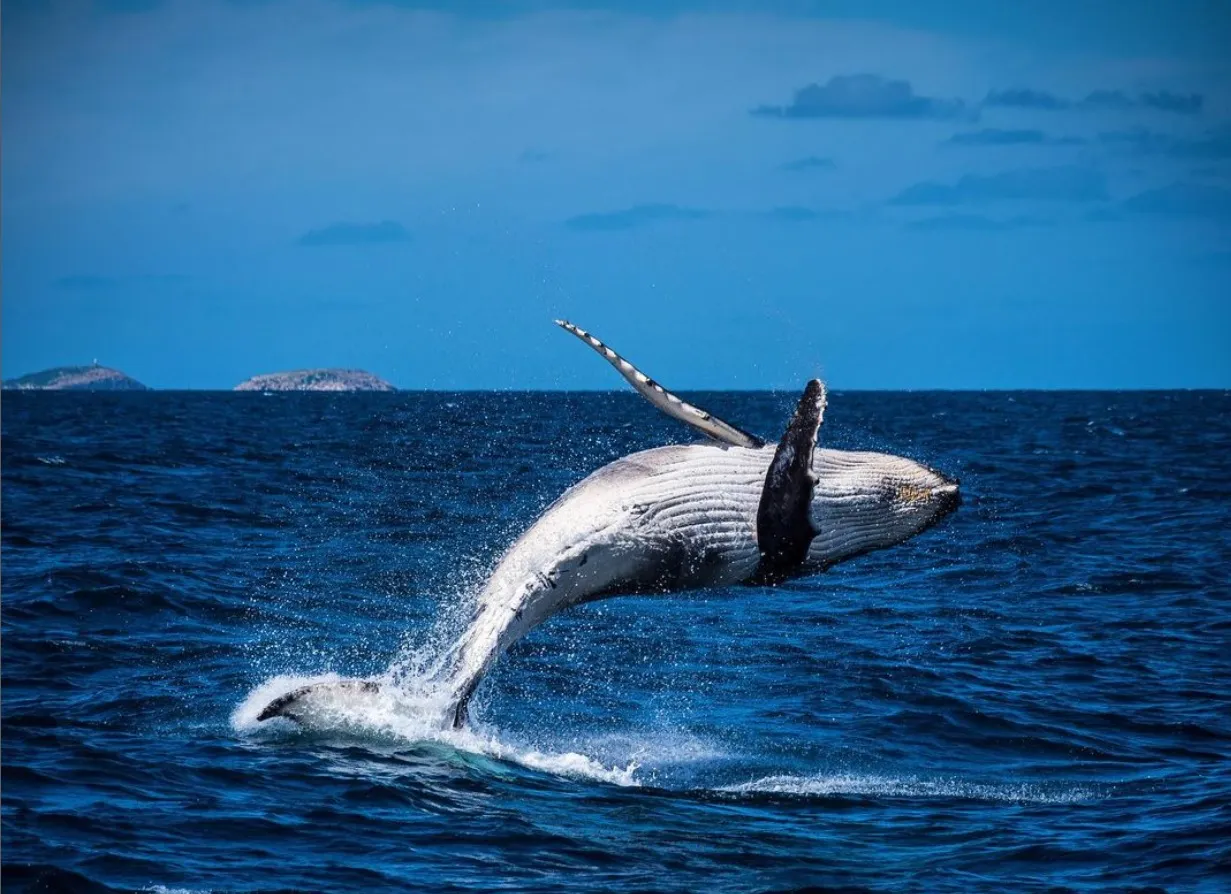
The first spout appears as a fine mist three hundred metres to starboard. You move to the rail as the pod surfaces — a mother and calf travelling south in slow synchrony. The calf breaches twice, its white pectoral fins slapping the surface as it twists mid-air. The marine biologist explains the calf is practicing behaviours it will use to stun krill in Antarctic waters. The mother's tail fluke rises vertically before she dives, revealing barnacle clusters and individual scarring that researchers use for identification.
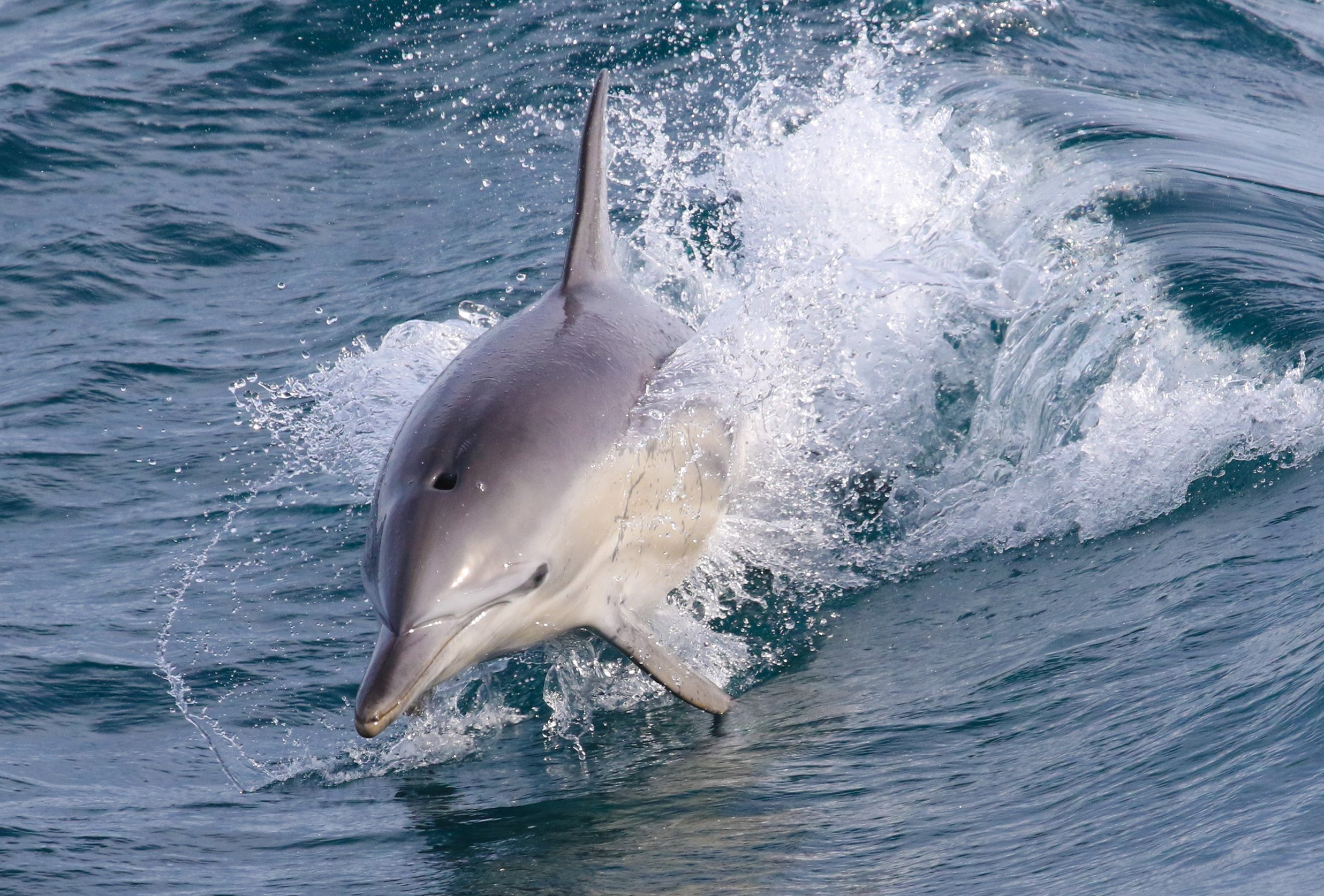
A dolphin pod intercepts the vessel ten minutes later, eight animals riding the bow wave in tight formation. You watch them pivot and accelerate beneath the hull, their movements precise despite the turbulence. The return crossing passes Seal Rocks, where 200 fur seals cluster on wave-cut platforms, their barking audible above engine noise.
All the details about your upcoming adventure in one place
Bass Strait's continental shelf drops to 70 metres within three kilometres of Phillip Island's western shore, creating upwelling currents that draw krill, baitfish, and the cetaceans that follow them.
Between May and October, southbound humpback whales travel this nutrient corridor after calving in Queensland's warm waters, while resident bottlenose dolphins and Australian fur seals patrol year-round. The shelf's proximity to land makes Phillip Island one of southern Australia's most reliable nearshore whale watching destinations.
Commercial whale watching tours began operating from San Remo in 1998, following decades of recreational fishermen reporting regular humpback sightings along the island's exposed coastline. Modern vessels depart from the San Remo jetty, crossing the narrow channel that separates Phillip Island from the mainland before turning west into Bass Strait. Marine biologists accompany most cruises, providing real-time commentary on whale behaviour, migration patterns, and the strait's ecology. Sighting rates exceed 95 percent during peak season, when pods of two to five whales surface within 50 metres of observation vessels.
The humpback population migrating past Phillip Island has grown from fewer than 500 individuals in the 1960s to an estimated 40,000 today, reflecting the species' recovery since commercial whaling ended in Australian waters in 1963. Calves born in tropical breeding grounds remain close to their mothers during the southward migration, breaching and tail-slapping as they build strength for the journey to Antarctic feeding grounds. Dolphin encounters occur on 80 percent of cruises, with pods often approaching vessels to ride bow waves. Fur seal colonies visible from offshore include the Seal Rocks population, established when the species recolonised Bass Strait after near-extinction in the 19th century.
Phillip Island's whale watching tour season aligns with the southward migration window, when calmer seas and reduced wind improve visibility and vessel stability. Morning departures benefit from glassy conditions before afternoon sea breezes develop, while the angle of morning light enhances whale spout visibility at distances beyond two kilometres. Operators follow strict approach protocols established by Victorian marine wildlife regulations, maintaining minimum distances that allow whales to surface and breathe without altering course.

Sighting rates exceed 95 percent during peak season, when pods surface within 50 metres of observation vessels.
Winter at sea is cold and windy, so dress in warm layers including beanies, scarves, and gloves. Waterproof jackets are recommended for spray or light rain, and enclosed, non-slip footwear is essential.
Keep personal belongings secure and limited to what you can comfortably carry. Large luggage items cannot be stored on board.
Cameras and binoculars are highly recommended for capturing wildlife sightings. Please be mindful of other passengers when taking photos from the deck.
Children are welcome, though the experience is not recommended for very young infants. Please check specific age restrictions for each melbourne whale watching tour operator.
Some vessels may not be fully wheelchair accessible and boarding may involve steep steps at the jetty. Guests with mobility concerns must call to discuss specific vessel equipment before booking a melbourne whale watching tour.
A light snack and tea or coffee are typically provided on board. Bringing your own water bottle is encouraged, but external food and alcohol are generally restricted.
Opening Hours
08:00–18:00
Address
170 Marine Parade, San Remo VIC 3925, Australia
Accessibility
Varies by vessel; contact office prior to booking
Best Arrival
08:00–12:00
Storage
Not provided
Region
Phillip Island, Victoria
Full refunds are available for cancellations made at least 24 hours before the scheduled departure. Cancellations within 24 hours of the tour result in a full forfeit of the ticket price.
Recommended time
3-4 hours
A melbourne whale watching tour typically requires three hours on the water to explore the coastline, plus additional time for check-in at 170 Marine Parade. Booking melbourne whale watching tour tours during the early morning helps ensure you experience the calmest marine conditions for spotting wildlife. Crowds are more manageable if you secure melbourne whale watching tour tickets in advance, allowing you to bypass site congestion and focus on the ocean views.
Crowd levels through the day
Whale watching off Phillip Island emerged in the mid-1990s when commercial operators recognized the strategic position of Western Port Bay along the annual humpback whale migration corridor. The first melbourne whale watching tour operations launched from San Remo in 1996, initially as seasonal extensions of existing fishing charter businesses. Skippers documented increasing humpback sightings as East Coast populations recovered from commercial whaling, which had ended in Australian waters in 1978. By 2002, dedicated whale watching vessels replaced converted fishing boats, equipped with hydrophones and elevated viewing platforms. The 2008 expansion of the Australian Whale Sanctuary to include all Commonwealth waters formalized protection protocols that tour operators had voluntarily adopted. Phillip Island Nature Parks collaborated with independent tour companies to establish approach distance guidelines—100 meters for humpbacks, 50 meters for dolphins—stricter than federal minimums. A 2012 near-collision between a recreational vessel and a humpback cow with calf prompted the introduction of mandatory spotter training and VHF coordination among commercial operators. The incident led to the creation of a real-time sighting network that reduced vessel crowding at whale locations. Southern right whales, absent from Bass Strait for over a century, reappeared in Western Port waters in 2015, marking a significant ecological shift. Tour routes adapted to include the eastern shore of French Island, where right whales began lingering during winter months. The 2020 pandemic suspension revealed behavioral changes: whales approached closer to shore in the absence of vessel traffic, data that informed revised approach protocols when melbourne whale watching tour tickets resumed sales in late 2021. Current operations balance year-round bottlenose dolphin encounters with seasonal whale migration windows, maintaining the logbooks that now span three decades of cetacean population recovery in Victorian coastal waters.
First commercial whale watching tours depart from San Remo, targeting seasonal humpback migration through Bass Strait.
Purpose-built whale watching vessels replace fishing charters, introducing hydrophones and elevated observation decks.
Australian Whale Sanctuary expansion establishes formal protection zones around Phillip Island waters.
Near-collision incident prompts mandatory spotter certification and real-time vessel coordination protocols.
Southern right whales return to Western Port Bay after 150-year absence, expanding tour routes.
Pandemic closure yields behavioral research data that reshapes approach distance guidelines for resumed operations.
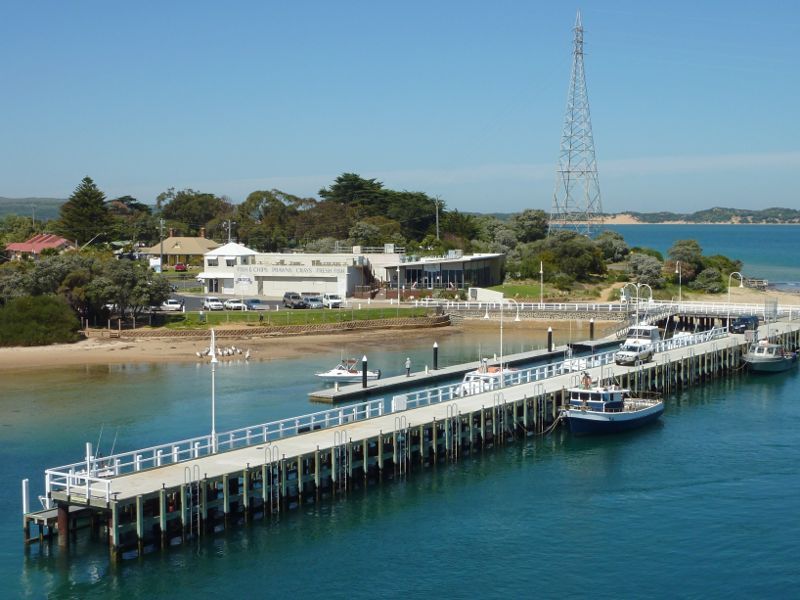
Position yourself at the end of this timber pier to capture the vessel departing for a melbourne whale watching tour. This vantage point provides a clean background of the bridge and open water.
This cliff-top location offers a panoramic perspective of the coastline where migratory giants often pass by. Use a telephoto lens to capture marine life surfacing against the rugged Bass Strait backdrop during your melbourne whale watching tour tours.
Walk along these elevated paths to frame the jagged basalt rock formations and sea caves. It serves as an ideal spot to photograph the vessel returning from a melbourne whale watching tour tour before passengers disembark.
This accessible beach area allows for low-angle shots of the horizon with the boat visible in the distance. It is a practical place to secure melbourne whale watching tour tickets while scouting for clear compositions.
Planning a melbourne whale watching tour provides a unique opportunity for children to encounter marine life in their natural habitat. Our crew prioritizes safety for younger passengers to ensure a comfortable experience for the whole family.
Standard strollers are difficult to maneuver on vessels, so we recommend collapsible models that can be stored securely during the melbourne whale watching tour tour. Please consult our staff upon arrival at 170 Marine Parade to confirm space availability for your equipment.
To manage potential sea sickness, parents should consider non-drowsy preventative measures before boarding, as ocean swells can vary. We suggest booking during the best arrival window of 08:00–12:00 when morning waters are typically calmer for Phillip Island wildlife cruises.
All children are required to wear provided life jackets throughout the duration of the melbourne whale watching tour tours. Our team provides a safety briefing for families before departure to ensure everyone knows where to sit during transit.
Advance reservations are required for all melbourne whale watching tour tickets, as capacity is limited for safety. You can reach our team at +61412220437 or visit our official site to secure your spot for the upcoming season.
Visitors departing from 170 Marine Parade for a melbourne whale watching tour will find several convenient dining options within a short walk in the San Remo township. These local establishments provide easy access for those looking to grab a quick coffee before boarding or a hearty meal after returning from their Phillip Island marine expedition.
Famous for fresh local fish and chips, this spot is ideal for a post-cruise meal by the water. It can get busy during peak lunch hours, so arrive early to secure a seat with a view of the jetty where you embark for your melbourne whale watching tour tours.
Everything you need to know for your journey
You can call to discuss booking a melbourne whale watching tour between 08:00 and 18:00 daily.
Accessibility varies; please contact the office before booking your melbourne whale watching tour to confirm if the vessel meets your needs.
Bring warm layers, a waterproof jacket, a camera, and binoculars to enhance your melbourne whale watching tour experience.
Most operators have set pricing for all passengers to maintain viability; check specific melbourne whale watching tour tickets for child policies.
Dress in warm, layered clothing with enclosed, non-slip footwear for your melbourne whale watching tour.
The best time for a melbourne whale watching tour is between 08:00 and 12:00 for calmer morning waters.
You may receive a full refund if you cancel your melbourne whale watching tour tickets at least 24 hours before the departure.
Yes, a light snack and tea or coffee are included as part of the standard melbourne whale watching tour.
Outside food and drinks are typically not permitted on the melbourne whale watching tour vessel.
Join thousands of happy travelers who have discovered this incredible experience
Book Your Experience Now